Share your story and be heard
Join our community-based movement to increase awareness of sepsis and hospital-acquired conditions as a result of sepsis misdiagnosis, and drive meaningful change.




Voices of Sepsis is dedicated to sharing the stories of sepsis survivors and those who have suffered from hospital-acquired conditions as a result of a misdiagnosis.
By sharing these stories, our intention is to ignite a community-based movement that drives legislative action in support of key patient safety measures.


What is sepsis?
Sepsis is a life-threatening, extreme response of the body to an infection. It is caused by a series of reactions in the body to a bacterial, viral, or fungal infection. Instead of fighting the cause of the infection, the body’s immune system turns on itself, which is the beginning of sepsis.1,2
Rapid diagnosis and treatment of sepsis is vital as it can progress to severe sepsis or septic shock that can result in multi-system organ failure, tissue damage, and even death. Approximately 30% of patients diagnosed with severe sepsis do not survive.1
By the Numbers
Diagnosing Sepsis
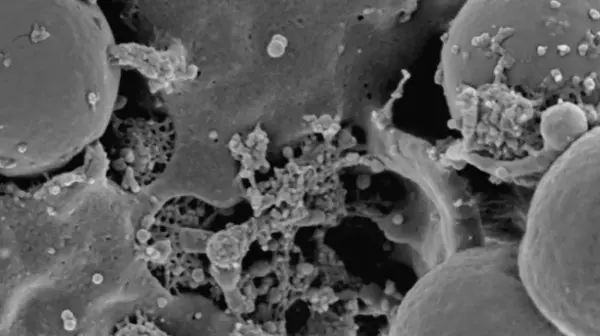
A blood cultures is one of the tests that is ordered for suspected sepsis. It is an important test because of its use in:
Confirming the presence of microorganism
Identifying the
cause of the
infection
Determining the source of the infection
Providing a microorganism, determine which antibiotic is most effective in fighting the infection
Blood cultures, however, are susceptible to contamination from skin fragments and plugs that may be collected simultaneously. Nearly 40% of positive blood culture results are false positive due to these contaminates. That means physicians may not have the right information to guide their clinical decisions. Patients are then treated for sepsis even though it may be a different condition or there is a delay in optimizing treatment plans as physicians wait for the results of additional diagnostic and laboratory tests.
Often, these patients continue to receive powerful antibiotics, which can lead to acute kidney injury, antibiotic-resistant microorganisms, extended stays in the hospital and corresponding risk of contracting an additional infection while in the hospital, and even an increased risk of death.8-14
Stories
The impact of sepsis and the misdiagnosis of sepsis are broad reaching and affect not only the patients, but also their families and their loved ones. A main impact of misdiagnosis is unnecessarily prolonged hospital stays, resulting in life-threatening hospital-acquired conditions.
Support these sepsis survivors and victims of sepsis misdiagnosis by listening to their stories.


Take Action
Voices of Sepsis is fighting for legislative change in support of key patient safety improvements to standard-of-care. With your help, we can meaningfully impact patient safety by creating nation-wide standards for blood culture contamination and increasing sepsis awareness.
Fill out the form below to share your story with your local legislators and help drive this important patient safety initiative.